
Maria Connolly, LPC Facebook Facebook Facebook

Tag: Happiness

Happiness is a mental or emotional state of well-being defined by positive emotions ranging from contentment to intense joy as you achieve balance in your mind/body/spirit connection.

5 Ways to Make Your Lifestyle Changes Stick Even if You’ve Failed Before
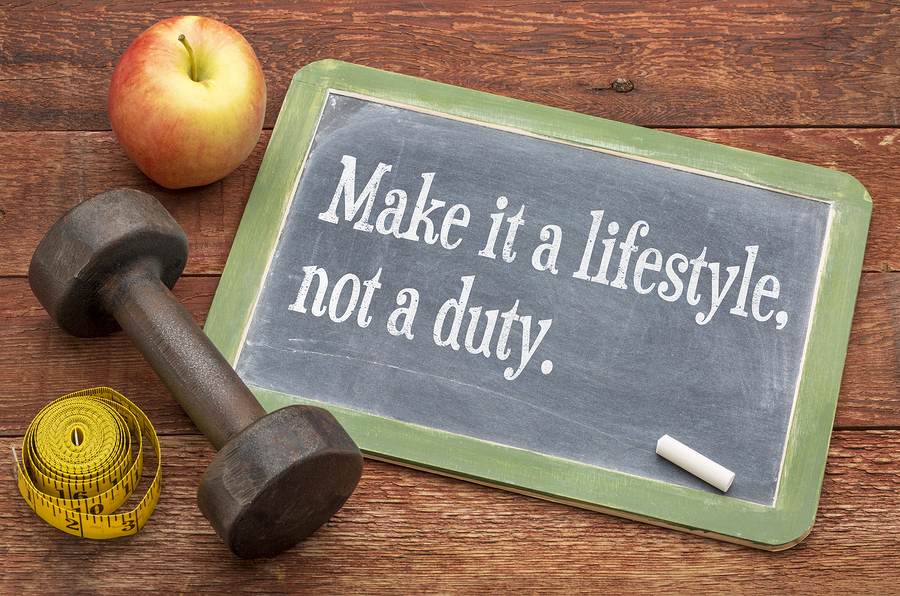
7 lifestyle changes that empower you to cultivate physical, emotional, spiritual and mental health one small, deliberate lifestyle change at a time.Human beings are complicated yet we want simple solutions. That’s why many look for a prescription to deal with pain – whether the pain is physical, emotional, mental or even spiritual. The right prescription can at times help. However, we need to make sure that we don’t ignore the lifestyle choices that got us where we are today. If we do – we won’t really get better.

Let’s say you’re under a deadline, so you live on caffeine and sugary energy bars. By skipping meals your body is starving for essential nutrients and minerals. This leads to sleep deprivation, which hinders your body from making vital repairs. Your moodiness and tiredness cause your relationships to suffer. You turn to alcohol to relax, but it makes things worse. Your mind starts bombarding you with negative and abusive self-talk. You begin to believe nothing you do works. You’re a failure. Everything starts to snowball into a mental health crisis like depression. So you keep pushing harder and harder…

Did you see the lifestyle choices that led to this pain? If you see yourself struggling be assured that it’s never too late to improve your health. We have the power to cultivate wellbeing by making small, deliberate changes in our lifestyles in the following seven areas:

  • Diet
  • Exercise
  • Mindfulness
  • Sleep and daily relaxation
  • Intimacy with self and others
  • Setting short and long term goals
  • Spirituality

You might say, “Maria, every year, I really try. I resolve to do things differently. And I do okay for the first day, the first week, or the first month. Then I mess up. I just can’t keep it up. Now I feel even worse. Not only can’t I change, I feel like such a failure for not having enough willpower. Why should I even try?”

Let me reassure you…you can change. It is worth the effort. You can succeed.

How can you make lifestyle changes that truly lead to better physical, emotional, spiritual and metal health? Where do you start and how do you make these changes stick? 

When making changes it’s really important to:

  1. Avoid the temptation to work on all seven areas at once. That’s too much. Instead, pick only one lifestyle change to work on until it becomes the way you want to live. That success will empower you to tackle the next one.
  1. Do it in small chunks. Take your one big goal and list the steps you need to take to accomplish it. This makes it more realistic, achievable and less overwhelming. For example, do you want to eat healthier? One step may be to clean the sugar and junk food out of the cupboards, pantry, refrigerator and freezer. Another step may be to find healthy recipes you want to try. Another step is to stick to a weekly grocery list of only healthful foods. Another step is to build in new reward systems for each success – treat yourself to a pedicure, a new book, new clothes, etc.
  1. Have a buddy system. We need support and encouragement to be successful. We need someone to be accountable to and to share our challenges and victories. I could not do it without the fierce and gentle support of my buddies!
  1. Continue to adjust your goals as new information is available. We aren’t aware of all the variables when we start, so we need to continue to adjust. It's like a pilot that starts with a destination and a route in mind and during the flight has to adjust because of the weather or other air traffic. You may make it your goal to lose weight, but first you need to learn to eat healthier or start an exercise program. Or you might find that you’re an emotional eater who needs to heal a relationship problem first.
  1. Accept that there are some things that can’t be changed. If there are some physical problems that can’t be fixed, you can still focus on mental health, emotional support and spirituality to help you accept your current situation and cope in a healthier way. You will often discover this improves your physical wellbeing in the process.

Every time you make mindful choices that supports the lifestyle you envision for yourself, you’re taking back the control you need. Each success empowers you to go on to the next with confidence. You can improve your physical, emotional, spiritual and mental health one step at a time. If you find you aren’t getting the support you need, why not give me a call and we can schedule an appointment to work together so you can achieve the success you desire and deserve.

Tips on How to Squeeze a Summer Vacation into Your Busy Schedule

Tips on how you can squeeze a summer vacation in even if you have a tight scheduleAre you going to take some time off this summer to refresh yourself and recharge? Or are you going to be like the majority of workaholic Americans who won’t get away from work? Nearly three-quarters of Americans feel they’re too busy to use their paid vacation days and 15 percent don’t use any of their vacation days at all! That’s more than 150 million unused vacation days every year. Is this making us a healthier and happier nation of people? Absolutely not!

Did you know that much of Western Europe takes from four to six weeks off? In Italy, where I grew up, workers get 31 days of guaranteed paid vacation. And they take those days and enjoy them with their families. Every year I make a point of recharging by attending retreats that are both educational and promote personal development and emotional growth. My hope for you is that you can enjoy a similar experience.

But what if you can’t be away for an entire week because of unusual circumstances? Does that mean you should give up on the idea of having a vacation? Not at all.

Here are some suggestions so you can squeeze in some time away:

If you can’t block out a large chunk of time, why not split your time up into short, two or three day vacations throughout the year?

Strategically plan ahead for your vacation days. Of course, you won’t want to leave in the middle of a project, therefore make sure you wrap things up before you go so you’re not worrying about it.

Be willing to delegate. It’s worth it to train someone well in advance who can step into your shoes while you’re gone. And if you’re worried about your home, hire a reputable house sitter or have a friend stop by to check on things.

Put your vacation time on your calendar as non-negotiable.

Inform and periodically remind your clients, co-workers, and boss that you’ll be gone so it doesn’t catch them by surprise.

Leave your office and home organized. This relieves your mind of nagging, unfinished business, as well as, gives you a clean place to come back to. Nothing destroys the vacation bliss faster than coming home to a chaotic mess.

Unplug. Even if you have to force yourself, disconnect from technology, including the television. Use the time to reconnect with your loved ones and feed your mind on books, art or another creative outlet.

Don’t expect to hit the ground running on your first day back. It’s so much better to give yourself a day to ease back into your routine and catch up.

The truth is if you want to achieve business excellence, you must take time to recharge your battery. You’re health and your relationships will improve, too, because you’re finally getting relief from the constant stress. Plus you’ll discover some great opportunity to fuel and tap into your greater creativity.

Want to get into the vacation mood quicker? Why not schedule a session of somatic coaching to calm your mind and reconnect with your body? Contact me and I’ll help you get started on that summer vacation you deserve.

25 Ways Highly Successful People Make Us Feel Better About Ourselves

Anyone can become extraordinary by achieving these transformational 25 positive traits of successful people, which start with seeing yourself as others see you.Think for a moment about someone that you’re drawn to – can you picture him or her? You can probably identify certain qualities they have such as being charming, gracious, generous, sincere, honest, genuine, open, kind, compassionate, giving, loving…

However, we can gain additional insight into what makes them highly successful by reflecting on their behavior. What is it that they do that brings out the best in us?

When you mindfully observe the way they interact with others, their speech and their actions, then you can model their behavior within your own life. As you read the following list of 25 positive behaviors of highly success individuals, imagine how each item makes you feel. Then you can begin to comprehend how you can use these behaviors to extend this feeling towards others…


1. They step forward with hand extended, head slightly tilted forward, smiling, and expressing sincere delight when meeting you rather than waiting for you to come to them.

2. They respectfully call you by the name that you introduce yourself as, rather than presumptuously giving you a nickname.

3. They are fascinated by you, asking you who, what, where and why questions without prying into off-limits, personal territory.

4. They respect your personal space. If you’re a hugger, they’ll hug you. If you’re uncomfortable with physical touch, they won’t force the issue. (This involves some sensory acuity on your part. Always take your cues from others!)

5. They make you feel important, maintain eye contact as they attentively and patiently listen to every word.

6. They willingly reveal themselves openly and honestly as they show their genuineness.

7. They always keep confidential information confidential.

8. They avoid gossip by tactfully changing the conversation or walking away.

9. They listen more than they speak.

10. They give without expecting anything in return.

11. They recognize even the tiniest of efforts and expresses appreciation for what you’ve done and why you’ve done it.

12.They encourage you to reach your full potential.

13. They trust that you’re doing your best, and they look deeply into each situation for the reasons why you’re doing something rather than jumping to conclusions.

14. They lead by example and willingly “roll up their sleeves” to pitch in where there’s a need before being asked.

15. They are mindful of your feelings, expressing joy when you’re celebrating, expressing sincere sorrow when you’re saddened.

16. They dignify you and bolster your self-esteem and self respect by asking for your help and your opinion.

17. They wait to be asked before giving advice.

18. They look for and focus on the positive in you.

19. They remember their own mistakes, thereby giving you a pass when a mistake is made.

20. They don’t give up on you.

21. They sincerely and openly express their approachableness and humanness while maintaining professionalism.

22. They let you blossom as they gift you with freedom to express yourself within the necessary business or personal boundaries that must be set.

23. They collaborate rather than patronize.

24. They recognize everyone is at different stages of their life’s journey and they encourage, support and guide without stealing your freedom of choice.

25. They make you feel special, smart, and valuable.

Most extraordinary individuals have not achieved their personal and professional greatness by themselves. They’ve learned that we often need to see ourselves through the eyes of others before we can make real transformations. If you’re anxious to make a difference and would like me to mentor you, please contact me so you can reach your full personal and professional potential.

Teaching the Body How to Program the Brain for Health

“We act in accordance with our self-image.” ~ Moshe Feldenkrais

According to the latest report by the Institute of Medicine (IOM), 116 million Americans suffer from chronic pain. That’s a staggering amount of human suffering and lost productivity. Are you one of them?

Pain and mobility issues typically come from two sources — an underlying physical condition (like an injury or inflammation) and the subconscious way you hold your body and your movement (like tension or habitually walking with your head down). It becomes a vicious cycle of inflamed muscles aggravated by poor posture, which inflames the muscles more.

While medical treatment addresses physical conditions, they often neglect the subconscious choices. How can you find the most effective solution if you’re ignoring a major component of the problem? That’s why the Feldenkrais Method® teaches a person to uncover the underlying way your brain and body are working, or not working together.

Let us be clear – The Feldenkrais Method® is a learning process, not a treatment. It helps you learn to better understand what your body is telling you and to improve your movements and interactions with the world around you. Through it, you engage muscles you’ve not used for quite awhile or didn’t even know you had – in a non-invasive, very gentle way. Many people, after trying it, marvel that so much can be accomplished with such little movements.

What are some of the benefits, besides pain relief, of Feldenkrais? You will…

  1. Improve the Basics: Achieve better balance and higher performance by learning to sit, stand, and walk with dynamic stability and balance. Learn skills for improving your sensory acuity and self-awareness.
  1. Move Smarter: Recover from injuries faster and understand how the whole body participates in the process of recovery. Encourage the development of new neuro-pathways.
  1. Sleep Better: Teach your body to rest well, improving sleep function for restoration, relaxation, and repair.
  1. Improve Posture: Learn to move more efficiently, with less effort and highest skeletal support
  1. Improve Your Self-Image: Moshe believed that our self-image is smaller than our potential capacity. Awareness Through Movement creates a favorable training ground for enhanced learning, improved thought processes, more efficient movement and positive learning, which in turn, improves the awareness of the person in relationship to self, others and the world.
  1. Have Fun: Feldenkrais is fun! Learning is fun! Feldenkrais is a way of learning how to learn rather than a therapeutic method to fix aches and pains.

There is an indisputable connection between the mind and body. And it is only by engaging the whole person that you can become aware and make mindful choices that support you. Are you ready to learn what you’re body and mind have been trying to tell you all these years? If you live near Ashland, OR, please contact my office to discuss the best option for your situation.

How I Eliminated Chronic Pain and Began Teaching The Feldenkrais Method® of Somatic Re-education

Maria Connolly teaching Awareness Through Movement® from The Feldenkrais Method®Six years ago, before I decided to sign up for The Feldenkrais Method®, a 4-year intense course in Eugene, Oregon, I often suffered from lower back pain. It seemed as if it would come up all of a sudden with no warning and no clue as to how it happened. At times, I would have to clear my schedule because the pain was so intense and debilitating. Perhaps many of you with high stress jobs where you sit in front of the computer all day can relate to having intense back pain for no apparent reason.

During the training, I learned to sense into myself more accurately and deliberately. The daily practice of body awareness through movement was a delightful discovery, an opportunity to know myself through my body in motion. Feldenkrais has enhanced the perception of both how I move and why I move. I loved it so much that the student has become the teacher. That’s me in the above photo teaching some of my clients an Awareness Through Movement® (ATM) lesson.

What is The Feldenkrais Method®?

I realize that many haven’t heard of this method, so let me give you a little background. It was developed by Dr. Moshe Feldenkrais, an Israeli physicist, engineer, judo master, soccer player and gymnast. After a knee injury, he began to pay attention to his own movements. Opting out of surgery, he turned to his knowledge of physics and using his own body as a research subject. Feldenkrais created a means of learning to move beyond habitual patterns of movement.

He believed that the central nervous system plays a key role in a person’s comfort, so he focused on encouraging awareness of the skeleton, muscles, and joints. This new awareness allows each body part to participate more fully in every action so that no one part is stressed more than another.

The skeleton is able to provide its intended support so the muscles feel more relaxed. This leads naturally to a decrease in tension and an expanded range of motion and flexibility. This new awareness helps a person understand their customary negative patterns of posture and movement and learn to create more functional ones.

He developed his discovery into a program called The Feldenkrais Method®. It allowed him to increase efficiency and range of movement, reduce stress, improve posture and flexibility, function and self-image with greater comfort and ease. After helping himself, he went on to help many others experience that same relief. Is that something you’d like?

How can you learn The Feldenkrais Method®? There are two ways of learning this technique:

Awareness Through Movement® (ATM) lessons. Generally these are group lessons. In a non-judgmental learning environment, the Feldenkrais teacher verbally guides the students in gentle and easy movement sequences. Students are supported in accepting themselves and their bodies by moving only within their ranges of ease and comfort. The emphasis is on curiosity, discovery and exploration, attending to the quality of movement, and especially observing one’s own internal process while performing the movement.  The above photo illustrates one of these lessons.

Functional Integration® (FI). This is done in individual, hands-on lessons.  The client lies fully clothed on a low table while the teacher uses gentle touch to explore ways that she can move more comfortably. The lessons are tailored to the individual and will be different each time. The quality of presence and touch in an FI lesson reassures the nervous system and can help restore inner balance.

Are you interested in exploring how this easy-on-the-body method can bring lasting pain relief and increased personal confidence? If you live near Ashland, Oregon, please contact my office and schedule an appointment so we can work out lessons that help you become more aware of movements that support you as a person.  If you know someone who could benefit from this, please refer them to me so they can benefit, too.


Let's get started with 30 free minutes

I invite you to learn more about me and my coaching and counseling services. Please contact me to schedule an “It starts with you!” 30-minute complimentary consultation with me, in-person, by phone or via video consultation, so we can explore our partnership.

SCHEDULE


How to Step Forward to a Future You've Created

Discover how to replace your old, self-limiting map with a new map full of possibilities for the future

DOWNLOAD YOUR FREE INTRO TO STEPPING FORWARD TODAY!