


An Embodied Life — 10 Centering Ways to Stay True to Yourself Even Under Stress
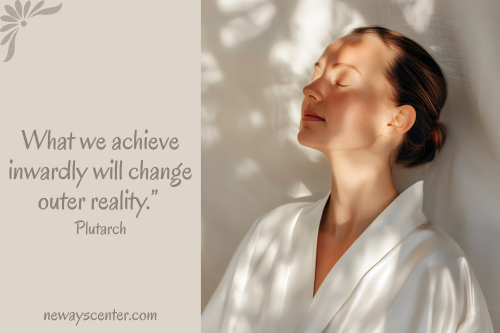 An embodied life isn’t something you think your way into. It’s an intentional, somatic practice wherein you inhabit your body as your home, not just as a tool to use and abuse as you work through your to-do list every day.
Yet much of modern personal growth focuses on mindset, emotional regulation, and insight alone. We learn how to analyze our patterns, name our feelings, and reframe our thoughts. What we are rarely taught is how to stay present in our bodies when life presses in.
This gap matters.
It’s the difference between knowing what matters to you and being able to live it when you’re tired, overwhelmed, triggered, or under stress. You may genuinely want to mindfully care for your body, speak calmly, or make aligned choices, yet find yourself reaching for numbing behaviors or reactive responses in moments of emotional intensity. This isn’t a lack of willpower. It’s a lack of embodiment.
When the nervous system is overwhelmed, the body takes over. Without embodied awareness, we default to survival patterns even when we know better.
Living an embodied life means closing the gap between intention and action. It means learning to recognize what is happening inside you in real time and responding from presence rather than habit.
Embodiment is the practice of being with your experience as it unfolds through sensation, breath, movement, and awareness. It’s a way of living that honors the intelligence of the body alongside the mind and emotions. And it’s something that can be cultivated through small, consistent practices woven into daily life.
Ten Centering Practices to Support an Embodied Life
Centering is one of the most accessible embodiment practices available. It helps stabilize attention, regulate emotion, and support presence, especially during moments of stress or intensity.
Below are ten centering practices that support embodiment. As you read, notice which ones feel accessible right now. Embodiment isn’t about doing everything. It’s building relationship with yourself, one moment at a time.
1. Breathe. Throughout the day, pause and take five slow breaths, allowing your ribcage and belly to expand. Pay particular attention to the exhale. A longer, softer exhale signals safety to the nervous system and helps release accumulated tension. Breath is one of the most direct bridges between mind and body and one of the simplest ways to return to yourself.
 2. Connect with your Heart. Bring attention to your chest area and notice what you are feeling emotionally. Rather than fixing or analyzing, practice being present with your experience in a compassionate, nonjudgmental way. Emotional tolerance grows when you allow feelings to move through without resisting or acting on them.
3. Notice Body Sensations. Gently bring breath and attention to the sensations your body is feeling in your neck, shoulders, hands, and stomach as you remain in the moment. Embodiment happens when you stay connected rather than escape.
4. Become More Aware through Mindfulness. Develop deeper awareness in all of your activities. Whether you’re walking, eating, cleaning, or speaking with someone, tune in to sensation, movement, and breath. Remember that the point of being mindful is not to think, but simply to notice it. It’s about sensing it.
5. Anchor in the Present Moment. When life feels chaotic, presence becomes a refuge. Gently orient to what is here now. Notice your feet on the floor, the temperature of the air, and the sounds around you. The present moment offers stability when the mind wants to race ahead or replay the past.
6. Practice Radical Acceptance. Resisting reality drains energy and increases suffering. Acceptance doesn’t mean approval. It means acknowledging what is so you can respond skillfully. From an embodied place, acceptance often feels like a softening rather than a resignation.
7. Cultivate Compassion. When you feel activated by someone else, pause and sense your body before responding. Compassion becomes possible when you recognize shared humanity rather than perceived threat. This doesn’t mean tolerating harm. It means responding from grounded clarity rather than reactivity.
8. Practice Self-compassion. Practice offering yourself warmth, reassurance, and kindness in moments of difficulty. Notice how your body responds when you speak to yourself as you would a trusted friend. This internal tone shapes how safe it feels to be you.
9. Create Space for Deep Relaxation. Relaxation isn’t a luxury. It’s essential for regulation and resilience. Whether through gentle movement, meditation, nature walks, music, or restorative practices, allow your system time to reset. Your body needs regular signals of safety and rest
10. Build Body Awareness through Movement. The Feldenkrais Method® (which I use in Somatic Coaching) is a powerful tool using gentle movement and directed attention to increase flexibility, coordination, and range of motion. As your physical body rediscovers its innate capacity for graceful, efficient movement, your nervous system is trained to find new pathways around areas of damage and or disconnection, resulting in a greater mind/body connection.
Like any skill, centering becomes reliable through repetition. Practicing these centering techniques when you feel calm builds capacity for when things are not.
“Dream Big, Start Small.” Here's the one thing you can do today.

This short practice helps you experience embodiment rather than just understand it.
Stand or sit comfortably with your feet connected to the ground.
Take a slow breath in through your nose. Exhale through your mouth.
Bring your attention to the sensation of your feet or sit bones. Notice contact and support.
Now place one hand on your chest and one on your abdomen. Take three slow breaths, allowing your body to soften around your hands.
Gently scan your body from head to toe, noticing areas of tension, ease, or neutrality without trying to change anything.
Ask yourself quietly, What is my body asking for right now? Listen for sensation, not words.
Before returning to your day, notice if your sense of center feels more settled, spacious, or grounded.
This practice can be used anytime you feel scattered, reactive, or disconnected.
Centering techniques are often used by athletes, public speakers, actors, and anyone who wants to feel more stable and prepared before a potentially stressful event. Would you like a guide in your journey toward living an embodied life? To get started, I invite you to download my free ebook, 10 Steps to an Embodied Practice — Leading to a Deeply Fulfilling and Rewarding Career as a Therapist and Coach. If you’d like to explore your options, feel free to contact me, and we can discuss how somatic coaching can be a great support to you.
 Journaling Reflection Prompts
When I feel overwhelmed or stressed, how do I typically disconnect from my body, and what does that cost me?
Which centering practice from this list feels most supportive right now, and how could I integrate it into my daily life in a simple way?
What shifts when I approach challenges from bodily awareness rather than mental control?